FINCAPES Advances Flood Risk Governance in Pontianak with Actuarial Loss and Damage Study
Jan 20, 2026
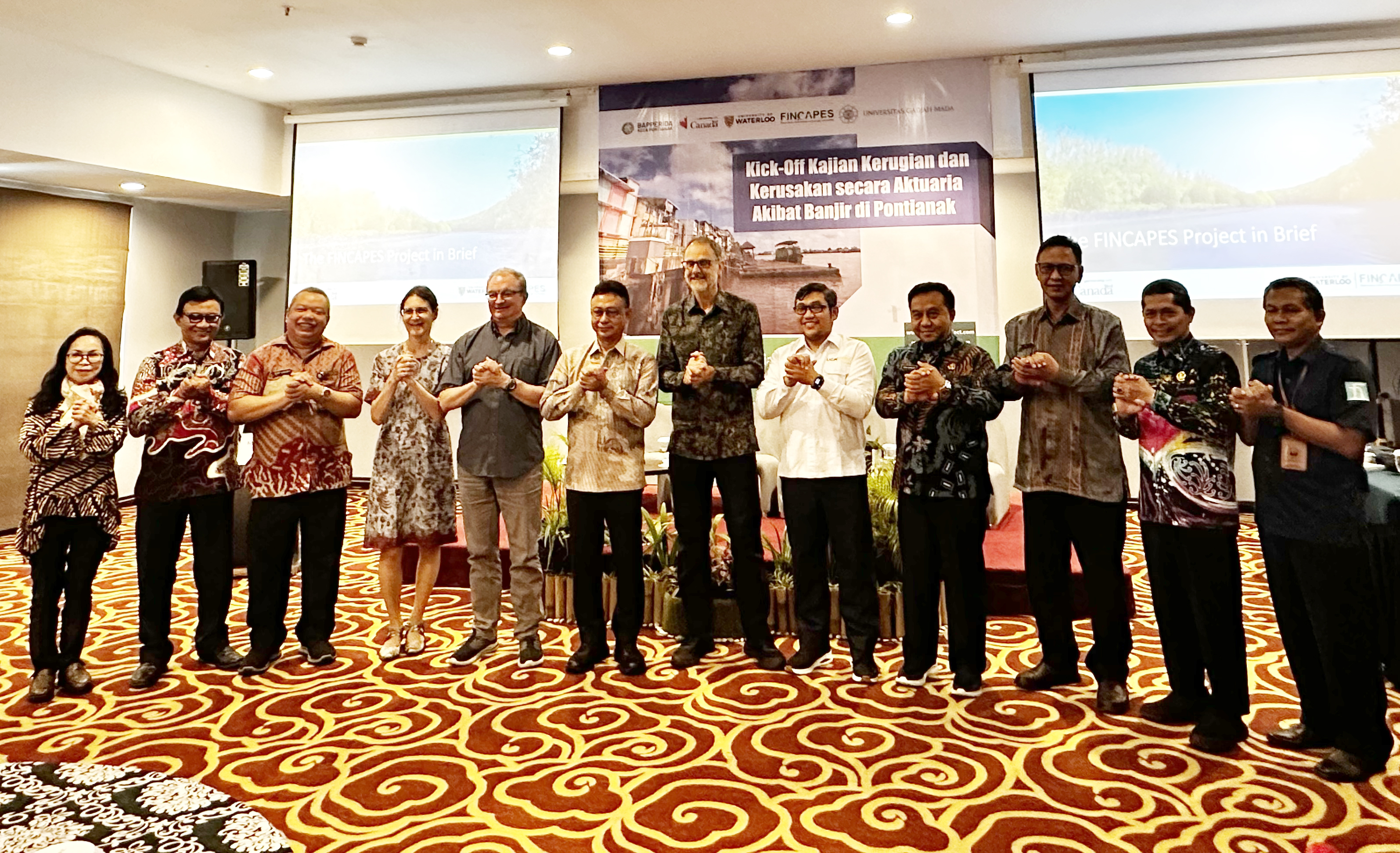
PONTIANAK — The FINCAPES Project has advanced its flood risk work in Pontianak City through the successful implementation of a Kick-Off Meeting and Technical Guidance Training held in 15 - 16 January 2025, marking the formal start of an actuarial study on flood-related loss and damage.
Pontianak, a low-lying coastal city influenced by tidal dynamics, rainfall, and land subsidence, continues to face increasing flood risks. In January alone, several areas experienced tidal flooding (banjir rob) up to twice, with water levels reaching nearly two meters.
“Pontianak is located in a relatively low-lying area, and several neighborhoods are highly vulnerable to tidal flooding,” said Edi Rusdi Kamtono, Mayor of Pontianak. “In some areas along the Kapuas River, seawater regularly enters residents’ homes, causing material damage and, in some cases, forcing people to evacuate. Although the water may recedes, flooding often returns the next day and can last for four to five consecutive days.”
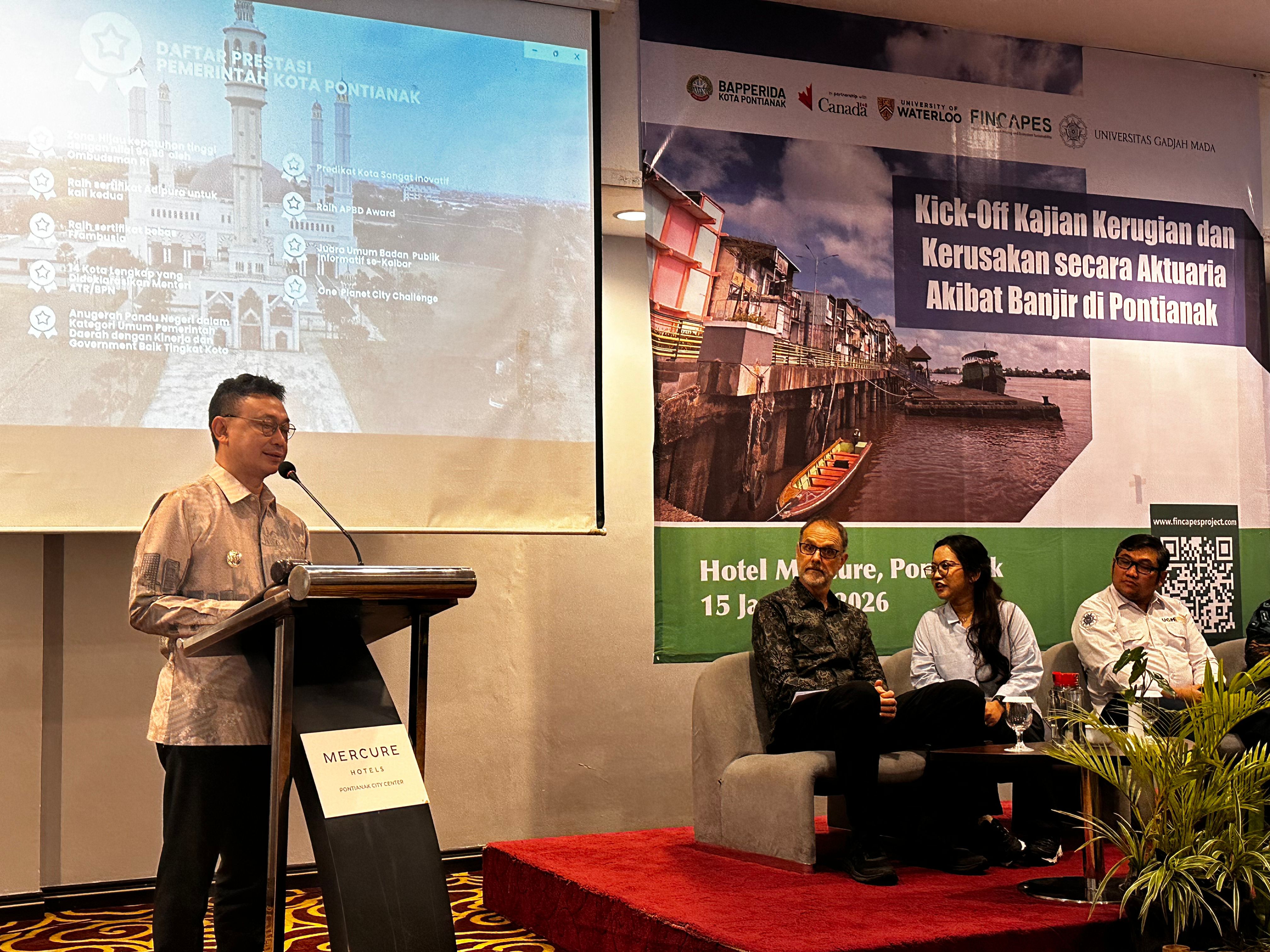
The Mayor of Pontianak City officially opened the Kick-Off Meeting and Technical Guidance Training for Actuary Study to Calculate the Loss and Damage caused by Floods in Pontianak City (15 January 2026)
The newly launched actuarial study builds on FINCAPES’ earlier flood hazard modelling in Pontianak and aims to quantify financial losses and damages under both current and future climate scenarios. The findings are expected to inform policy development, risk financing strategies, and long-term urban resilience planning.
According to Prof. Stefan Steiner, Principal Investigator of the FINCAPES Project, the study in Pontianak is designed to move beyond understanding where floods occur toward understanding what floods cost—socially, economically, and financially—under both current and future climate conditions. “Flood hazard maps tell us about exposure, but they do not quantify losses,” Prof. Steiner explained. “The actuarial analysis allows us to translate flood risk into measurable financial impacts that are critical for policy decisions, budgeting, and long-term resilience planning.”
He added that the study forms part of a broader, phased approach under FINCAPES. “In 2025, FINCAPES focused on strengthening public awareness of flood risk in Pontianak by translating research findings into people-centered narratives,” he said. “By combining flood hazard scenarios with actuarial methods, FINCAPES is now generating evidence that can support risk-informed urban planning, infrastructure investment, and disaster risk financing.”
A central feature of the FINCAPES actuarial study is the integration of Gender Equality and Socio-Economic Inclusion (GESEI) as a core analytical lens. Rather than focusing solely on physical and economic losses, the study captures who is most affected by flooding across gender, age, ability, and household structure. By incorporating sex-disaggregated data and a gender-sensitive vulnerability analysis, the approach aims to reflect non-economic and micro-scale losses, such as disrupted livelihoods and household resilience, that are often overlooked in conventional damage assessments, particularly for female-headed households and vulnerable groups.
The Kick-Off Meeting brought together approximately 50–70 participants from local and provincial government agencies, academic institutions, civil society organizations, community groups, and selected private sector actors. Discussions focused on the proposed actuarial framework, data requirements, institutional coordination, and the integration of Gender Equality and Socio-Economic Inclusion (GESEI) considerations.
The actuarial study is led by the Actuarial Research Group, the Department of Mathematics, the Faculty of Mathematics and Natural Sciences at Universitas Gadjah Mada. Following the meeting, a two-day Technical Guidance Training was conducted for 21 enumerators from the local university, Universitas Tanjung Pura, focusing on field data collection, data quality assurance, and inclusive survey methods.
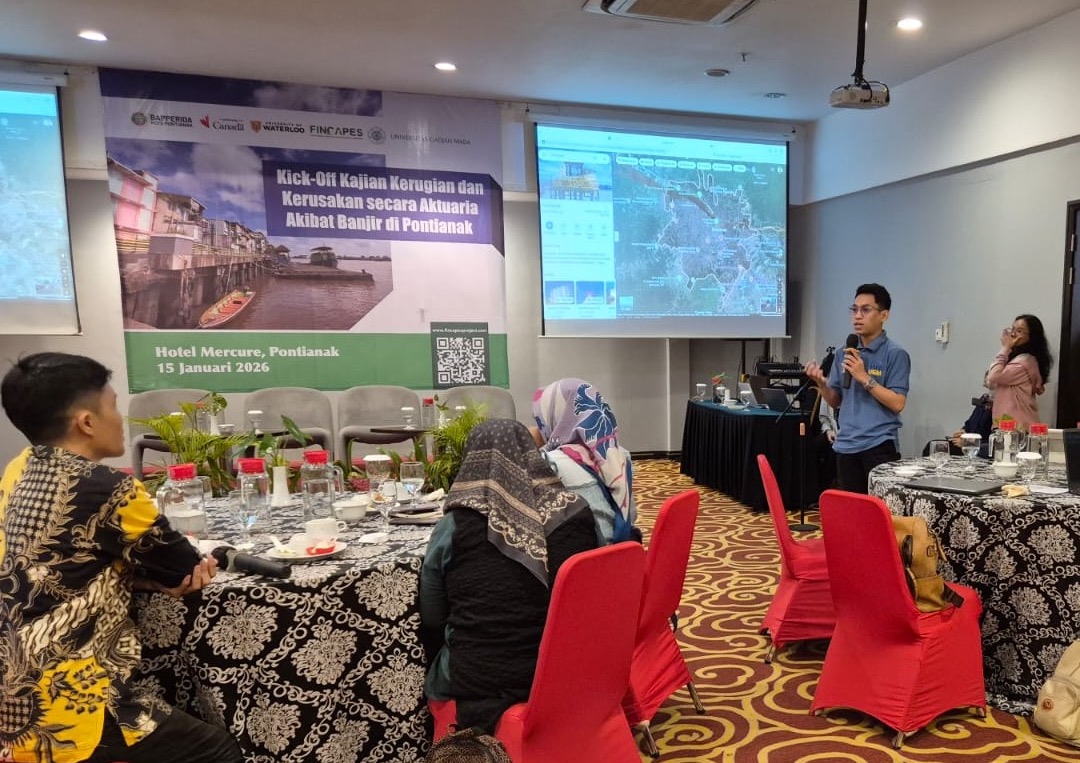
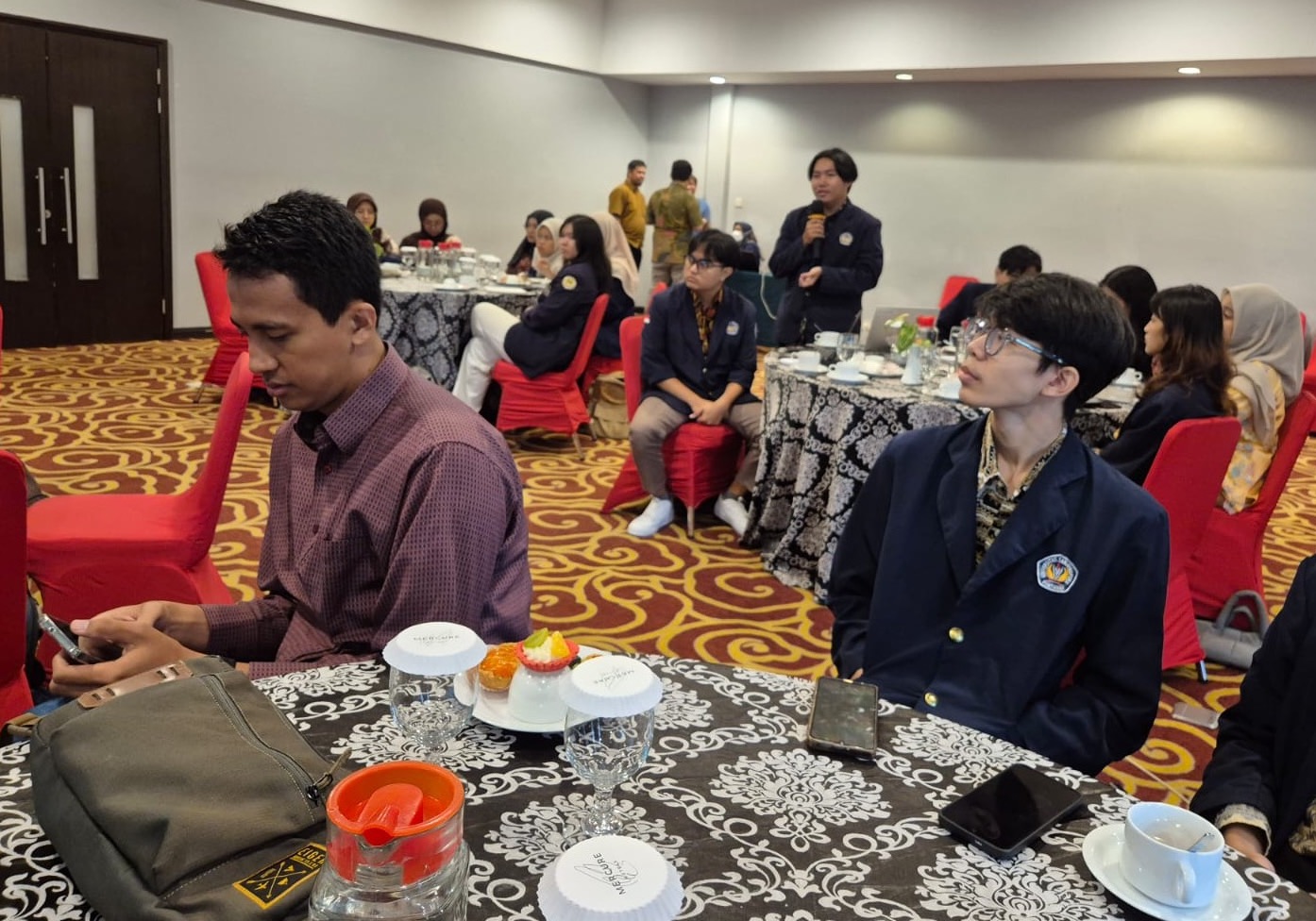
The technical guidance training with Statistics Group of the Institute for Research and Community Service, Universitas Tanjungpura for data collecton process of the Actuary Study.
According to Danang Teguh Qoyyimi, Research Team Lead from Universitas Gadjah Mada, the study responds to the reality that flooding in Pontianak occurs frequently, even when water depths are not always extreme. “Although Pontianak is a low-lying city, flood and inundation events happen regularly and are driven by rainfall, increased river discharge, and environmental conditions,” he said. “These events have direct social and economic impacts, and when the potential for financial loss is significant, preparedness cannot wait until after a disaster occurs.”
The actuarial study translates these physical flood risks into measurable financial impacts using internationally recognized catastrophe modeling methods. By estimating future losses under different climate scenarios, the study provides key metrics, such as Average Annual Loss, to support early financial planning, risk-informed urban development, and disaster preparedness. Implemented from January to June 2026, the study will conclude with stakeholder presentations and a dissemination workshop, contributing to more forward-looking and equitable flood risk management in Pontianak City.